


Beyond the Bowl: Part 7 — The Bond Is Built at the Bowl
Beyond the Bowl: Part 7 — The Bond Is Built at the Bowl
We're back for the final part of our series with behavioral neuroscientist Dr. Pepe Hernandez. We've covered the neurotransmitters, the pitfalls of highly processed diets, and the specific nutrients that support a trainable brain. This week, we close the loop: how the gut and brain talk to each other, and the story behind why Artisan Raw exists in the first place.
The Gut-Brain Axis: Why the Belly Matters for the Brain
By Dr. Pepe Hernandez, PhD, CPDT-KA
The gut-brain axis is not a metaphor. It is a real bidirectional communication network linking the digestive system and nervous system through the vagus nerve, enteric nervous system, immune signalling, endocrine pathways, microbial metabolites, and inflammatory mediators. In plain English: the belly and brain are in constant conversation.
Most of the body's serotonin is produced in the gastrointestinal tract, primarily by enterochromaffin cells, where it plays major roles in gut motility, sensitivity, secretion, and immune activity. [1] Gut serotonin does not simply become brain serotonin, but the digestive tract is deeply involved in body-wide signalling systems that influence stress physiology and behaviour.
Canine microbiome research is still developing, but current reviews suggest that gut microbial communities may be linked with anxiety, aggression, cognition, and other behaviour-related outcomes. [2,3] Diet can also meaningfully alter the canine fecal microbiome, although the effects vary by formulation, individual dog, and study design. [4,5]
"A complete, well-formulated whole-food diet may help support a healthier digestive environment, and a healthier digestive environment may support the nervous-system conditions that training depends on — attention, emotional regulation, stress recovery, and motivation. The bowl does not replace the behaviour plan. It helps support the dog who has to live inside it."
— Dr. Pepe Hernandez, PhD, CPDT-KA
The Bond Is Built at the Bowl — and on the Training Floor
In my practice, the dogs who seem most available for training — the dogs who recover more easily from stress, engage with their owners more consistently, and become easier to live with over time — are usually supported on both sides of the equation: a complete, well-formulated diet and consistent, positive reinforcement training. Their bodies are better supported. Their daily routines are more predictable. Their learning history is clearer. Their owners have built a shared language with them.
The same physiological stability that supports focus, recovery, and emotional regulation may also make it easier for a dog to engage socially. A dog who feels well — in their gut, brain, and body — is often better able to participate in training and in the relationship behind the training.
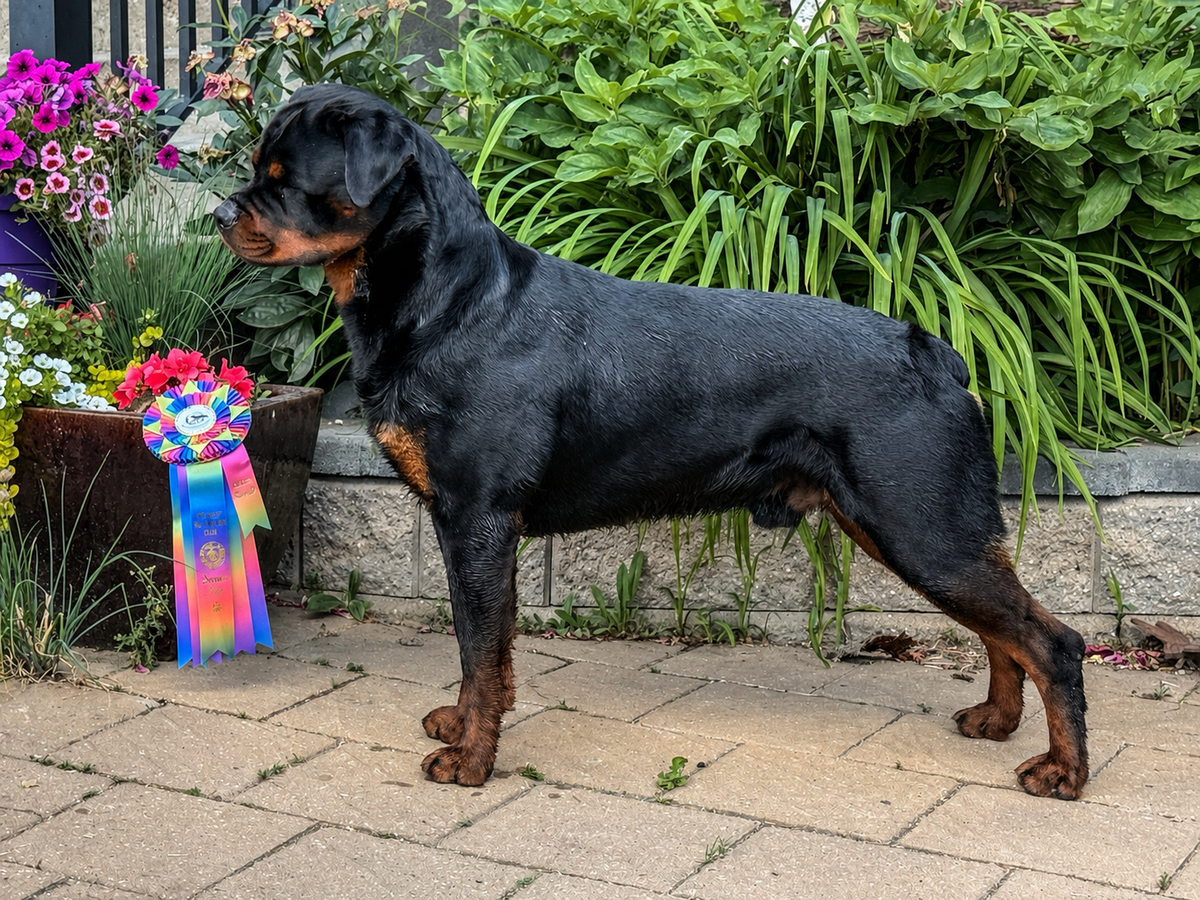
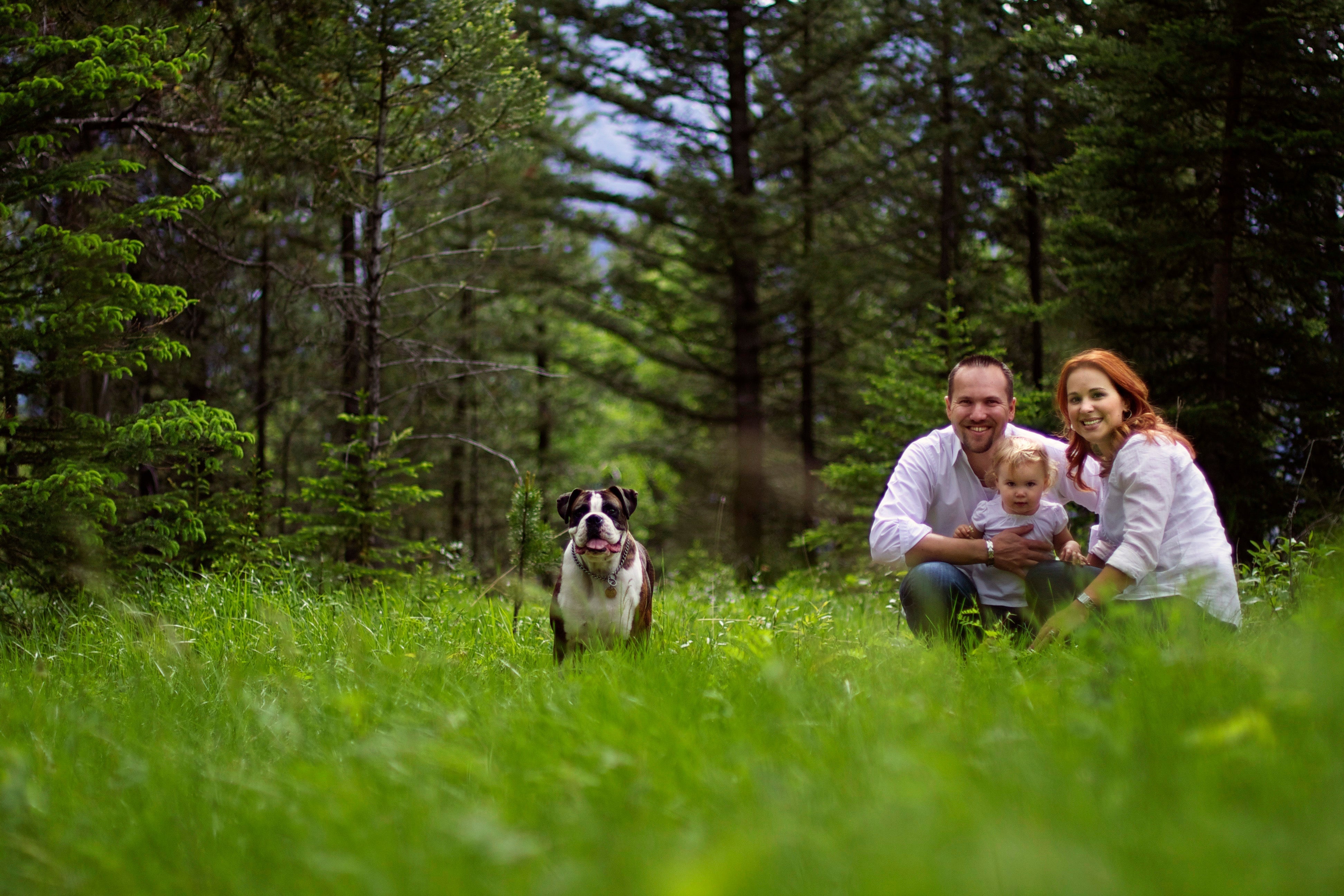
Artisan Raw was born from exactly this kind of observation. When the founders transitioned their Boxer, Mira, from commercial food to a carefully formulated raw diet, what they noticed was not only a change in coat or stool quality. They saw a dog who seemed calmer, more present, and more herself. That experience became part of the foundation for what Artisan Raw has built since 2009.
Anecdote is not the same as controlled research, and diet is not a substitute for training. But lived experience is often where important questions begin. Feeding your dog well is an act of care that compounds over time. Every meal helps support the body and brain that show up at training, on walks, and in quiet moments at home.
"The bowl sets the stage. You and your dog write the story together."

That wraps our series with Dr. Pepe Hernandez, PhD, CPDT-KA of PJH Dog Training. Thank you for following along — and thank you to Pepe for sharing his expertise with our community.
References
- Banskota, S., Ghia, J.E., & Khan, W.I. (2019). Serotonin in the gut: Blessing or a curse. Biochimie, 161, 56–64. DOI
- Kięłbik, P., et al. (2024). The relationship between canine behavioral disorders and gut microbiota. Animals, 14(14), 2048. DOI
- Crisante, A., Newberry, F., & Clegg, S.R. (2025). A critical review of research concerning the gut microbiome in dogs and its relationship with behavior. Applied Animal Behaviour Science, 292, 106755. DOI
- Xu, J., et al. (2021). The fecal microbiota of dogs switching to a raw diet only partially converges to that of wolves. Frontiers in Microbiology, 12, 701439. DOI
- Hiney, K., et al. (2024). Fecal microbiota composition, serum metabolomics, and inflammatory markers in dogs fed kibble or raw meat-based diets. Frontiers in Veterinary Science, 11, 1328513. DOI