


Beyond the Bowl: Part 3 — Arousal, Motivation, and the "Zoomies"
Beyond the Bowl: Part 3 — Arousal, Motivation, and the "Zoomies"
We are back with Part 3 of our series with behavioral neuroscientist Dr. Pepe Hernandez.
In our last update, we talked about biological "bandwidth" and how gut comfort helps a dog focus. This week, we are looking at the chemistry behind arousal, motivation, and those famous post-meal "zoomies."
Dopamine & Noradrenaline: The Chemistry of Arousal
By Dr. Pepe Hernandez, PhD, CPDT-KA
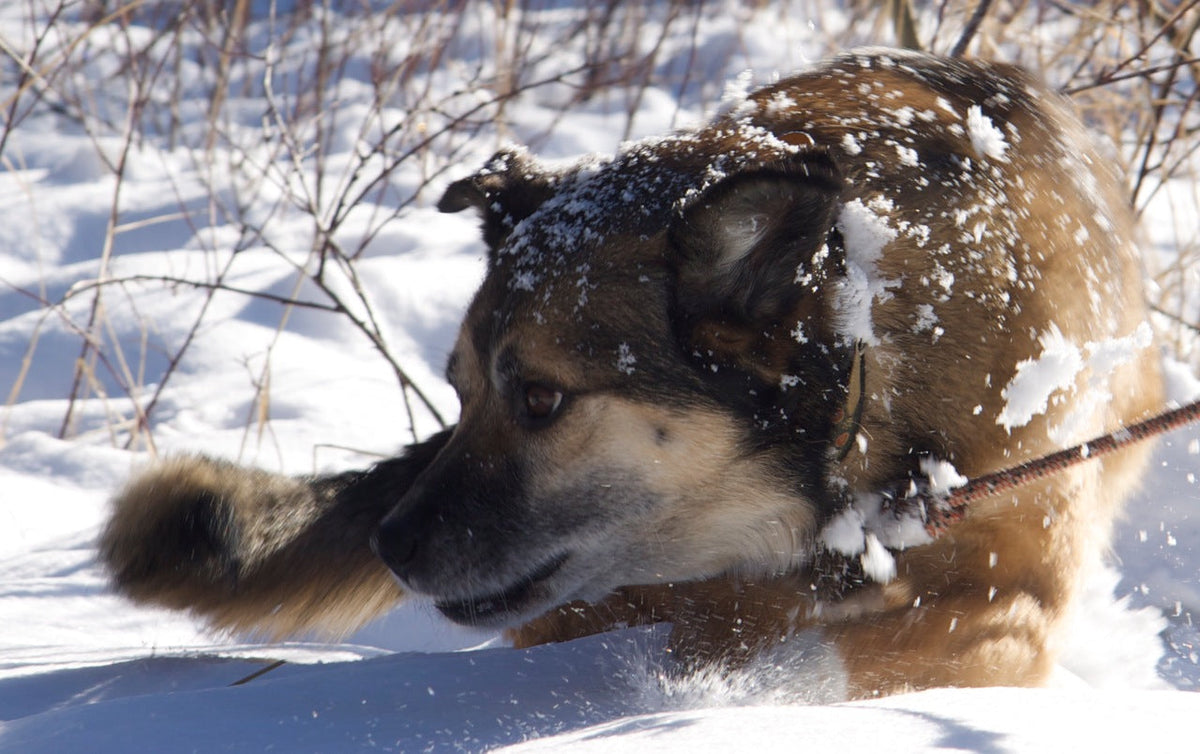
Many owners assume a dog running wild after a meal is simply "happy." From a neurological perspective, it is more accurate to say the dog is aroused. The right amount of arousal helps a dog learn and engage. Too little, and a dog seems flat or disengaged. Too much, and a dog can become frantic, reactive, or unable to process information — which is often what we are seeing during a "zoomies" episode.
Two of the neurotransmitters most involved in this system are Dopamine and Noradrenaline.
Dopamine: Motivation and Reward
Dopamine is central to motivation, reward processing, exploration, and learning from consequences. In training terms, dopamine is part of why a dog becomes interested, engaged, and willing to try again.
Dopamine and noradrenaline are synthesized from amino acid precursors, including tyrosine, so adequate dietary protein helps supply the raw materials these systems depend on. But motivation is never just a nutrient issue. A dog who seems flat or disengaged may be dealing with stress, pain, poor sleep, low reinforcement value, or a training setup that is too difficult.
Noradrenaline: Alertness and Stress Resilience
Noradrenaline helps regulate alertness, vigilance, and the stress response. Chronic stress matters here — pain, poor sleep, fear, digestive discomfort, and unstable daily routines can all push the nervous system toward dysregulation. In those states, the dog is not being difficult. The dog is trying to learn with an arousal system that is already overloaded.

Nutrition Supports the System
So what does this mean for your daily routine?
Nutrition never replaces training, and no single ingredient controls arousal on its own. But a complete, well-formulated diet helps supply the raw materials — including adequate, high-quality protein — that dopamine and noradrenaline are built from, while consistent training design still does the work of teaching a dog to regulate.
"Nutrition supports the system. Training design still matters."
— Dr. Pepe Hernandez, PhD, CPDT-KA
Next Week: We dive into Part 4: Emotional recovery, resilience, and helping your dog "bounce back" from stress.